Executive Summary
The Abu Dhabi International Petroleum Exhibition and Conference (ADIPEC) 2025, held from November 3-6, 2025, at the Abu Dhabi National Exhibition Centre (ADNEC), marked a pivotal moment in the global energy sector. Under the theme “Energy. Intelligence. Impact,” the event convened over 205,000 attendees, 2,250 exhibitors, and 54 national and international oil companies (NOCs and IOCs), alongside 30 international pavilions. Patronized by UAE President Sheikh Mohamed bin Zayed Al Nahyan and inaugurated by Sheikh Mansour bin Zayed Al Nahyan, ADIPEC 2025 emphasized the integration of artificial intelligence (AI), decarbonization strategies, and collaborative investments to address rising energy demands amid geopolitical complexities and technological advancements. This report analyzes the event’s key highlights, emerging trends, stakeholder discussions, and broader implications for the energy industry, drawing from recent web and X (formerly Twitter) coverage as of November 5, 2025.
Event Overview
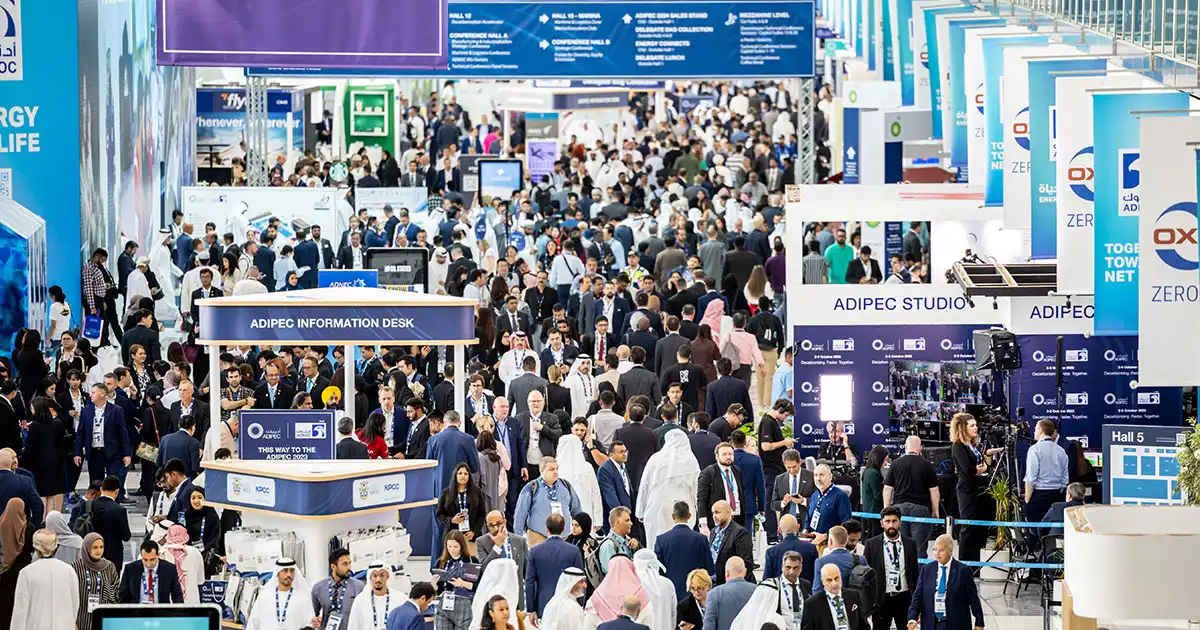
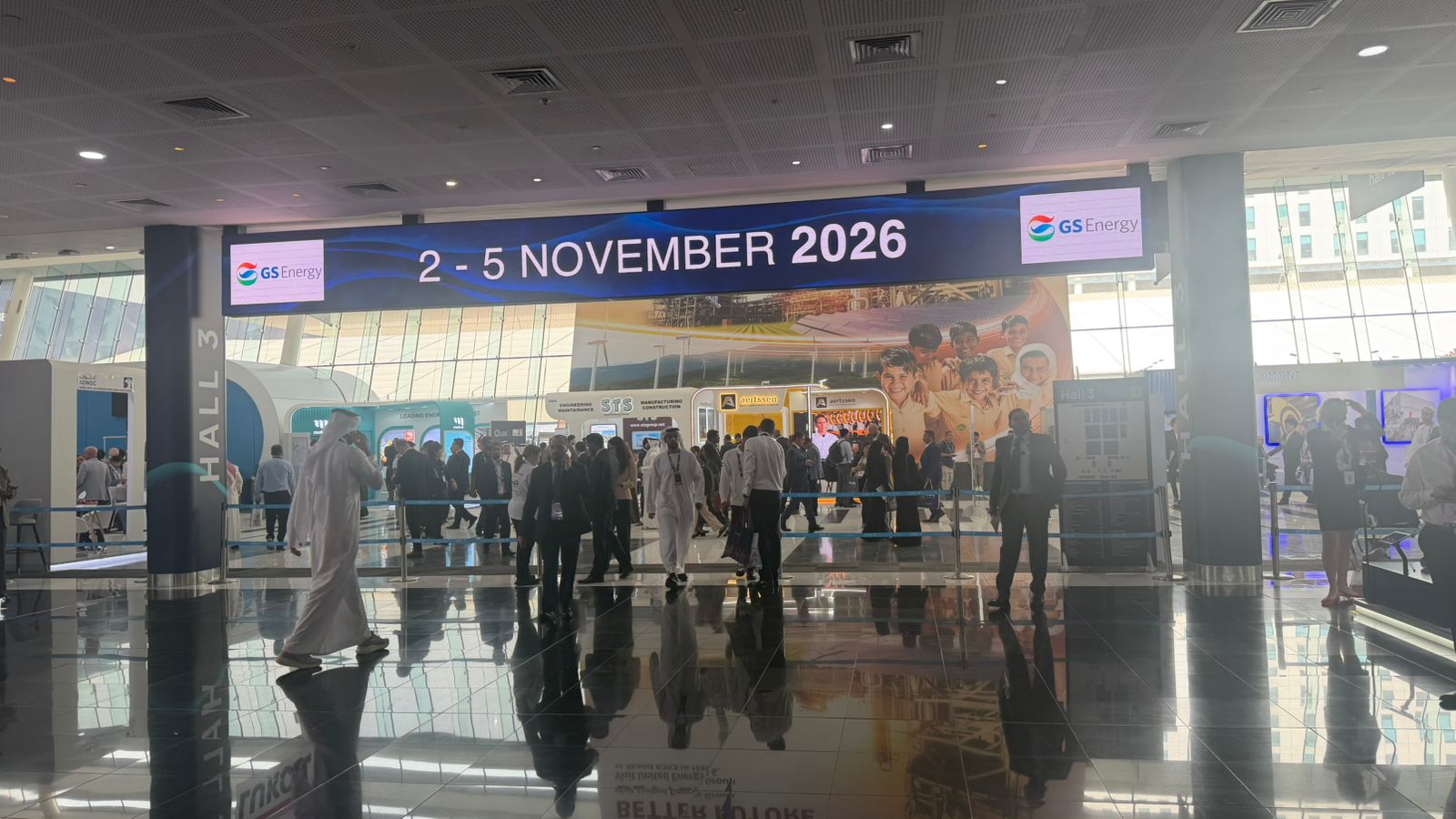
ADIPEC 2025 built on its legacy as the world’s largest energy gathering, focusing on transforming dialogue into actionable outcomes across the energy value chain. The exhibition spanned four days with exhibition hours from 10:00 AM to 6:30 PM (closing at 5:30 PM on the final day), featuring an opening ceremony on November 3 where guests were seated by 8:30 AM. Located at ADNEC, just 20 minutes from Abu Dhabi International Airport, the venue facilitated accessibility with complimentary shuttles and ride discounts.
The agenda included 12 conference programs, over 1,800 speakers, and sessions on global strategy, AI in energy, hydrogen financing, electrification, decarbonization, finance, maritime logistics, downstream chemicals, natural gas/LNG, and digitalization. Notable partners included Aramco, Chevron, TotalEnergies, ExxonMobil, and AI-focused entities like Microsoft, IBM, and Mistral AI. Young ADIPEC initiatives, such as Youth Talks and University Connect, engaged emerging talent, underscoring the event’s commitment to inclusive progress.
Recent announcements highlighted collaborations, such as the Abu Dhabi Department of Energy (DoE) signing agreements for data integration and regulatory oversight in the energy sector. On X, real-time updates showcased international participation, including Syrian Energy Minister Muhammed al-Bashir’s visit to ACWA Power’s Hassyan project for sustainable energy discussions.
Key Highlights and Discussions
Opening and Ministerial Insights
The event opened with optimism amid rising energy prices and OPEC+ decisions to halt production hikes. UAE Minister of Industry and Advanced Technology Dr. Sultan Ahmed Al Jaber delivered a keynote, followed by U.S. Deputy Energy Secretary James Danny’s remarks on depleting U.S. oil reserves and potential international strategies. A ministerial panel with leaders from the UAE, Qatar, and Egypt emphasized pragmatic policies and partnerships for energy resilience.
Fossil fuel leaders shifted narratives from “energy transition” to “energy addition,” embracing increased demand driven by AI and population growth. Sessions like “The AI Impact: Transforming the Global Energy System” and “Electrification: Critical Innovations” explored AI’s role in optimizing grids and hydrogen project financing. On X, live broadcasts and posts from ADNOC highlighted safety transformations and AI-driven worker protection.
Industry and Technological Showcases
Exhibitors like Tratos, CNLC, and Al Gharbia Pipe Company demonstrated innovations in sustainability and smart manufacturing. Bharat Petroleum presented carbon capture technologies, while Immensa showcased digital inventory solutions for spare parts. The ADIPEC Leadership Roundtable, moderated by Boston Consulting Group, addressed grid capacity challenges, advocating for AI integration in legacy systems and policy reforms.
NNPC Limited’s CEO announced ambitions for $60 billion in investments by 2030 to boost Nigeria’s oil output to 3 million barrels per day, aligning with Africa’s energy transformation. Egyptian firms ENPPI, Petrojet, and EMC were honored for global recognition in construction.
AI and Decarbonization Focus
A recurring theme was AI as the “biggest change management initiative” in energy, enhancing worker safety and efficiency. Sessions on responsible AI, digital twins, and carbon capture storage (CCS) underscored ethical frameworks and financing needs. Fossil fuel executives hailed the “energy addition era,” viewing AI-driven demand as an opportunity rather than a threat. On X, thought leaders like Antonio Grasso emphasized pragmatic policies and infrastructure investments.
UAE’s 2PointZero CEO Mariam AlMheiri discussed mega-trends in energy and intelligence convergence. Prof. Jamal Sanad Al-Suwaidi framed ADIPEC as a platform redefining energy-AI relationships for sustainable economies.
Analytical Insights
Strategic Importance
ADIPEC 2025 reflects a maturing energy dialogue, moving beyond decarbonization rhetoric to integrated “energy addition” strategies that accommodate AI’s power demands—projected to rival small nations’ consumption. The event’s scale underscores Abu Dhabi’s role as a global energy hub, fostering cross-sector collaborations amid OPEC+ dynamics and U.S. election uncertainties. By hosting discussions on hydrogen, electrification, and AI, it positions the Middle East as a leader in resilient, low-carbon systems.
Challenges and Opportunities
Challenges include grid capacity bottlenecks and regulatory hurdles, with calls for government-industry synergy to scale renewables. Opportunities lie in AI’s potential to optimize operations, reduce emissions, and unlock investments—evident in Nigeria’s $60 billion target and UAE’s safety initiatives. However, ethical AI adoption remains critical to avoid exacerbating inequalities.
Global and Regional Impact
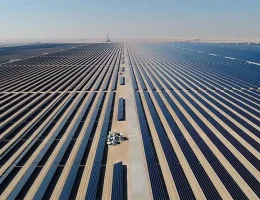
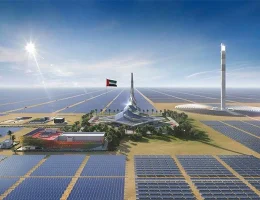
Globally, ADIPEC signals a balanced approach to energy security, blending fossil fuels with renewables amid rising demands. Regionally, it bolsters UAE’s innovation ecosystem, with projects like Masdar and Solar Park exemplifying sustainable progress. India’s strong pavilion, inaugurated by Minister Hardeep Singh Puri, highlighted transformative solutions in green energy. The event’s emphasis on Africa and emerging markets could drive equitable growth, though geopolitical tensions (e.g., U.S. strategies in Nigeria) pose risks.
| Key Metrics | Details |
| Attendees | 205,000+ |
| Exhibitors | 2,250+ (including 54 NOCs/IOCs) |
| Conferences | 12 programs, 350+ sessions, 1,800+ speakers |
| Focus Areas | AI (29% of sessions), Decarbonization (25%), Investment (18%) |
| Economic Impact | Projected to catalyze $60B+ in investments (e.g., NNPC goals) |
Conclusion
ADIPEC 2025 transcended traditional exhibitions, serving as a catalyst for intelligent, impactful energy solutions in a decade defined by AI and sustainability imperatives. By bridging fossil fuels and renewables, it advances a resilient global ecosystem, with Abu Dhabi at its core. Future iterations should prioritize measurable outcomes from these dialogues to ensure progress amid evolving demands. As live X updates and media recaps affirm, the event’s momentum will influence policy and investments well into 2026.